





Is Auto Stop-Start Technology Coming to an End? What Drivers Around Leesburg Should Know
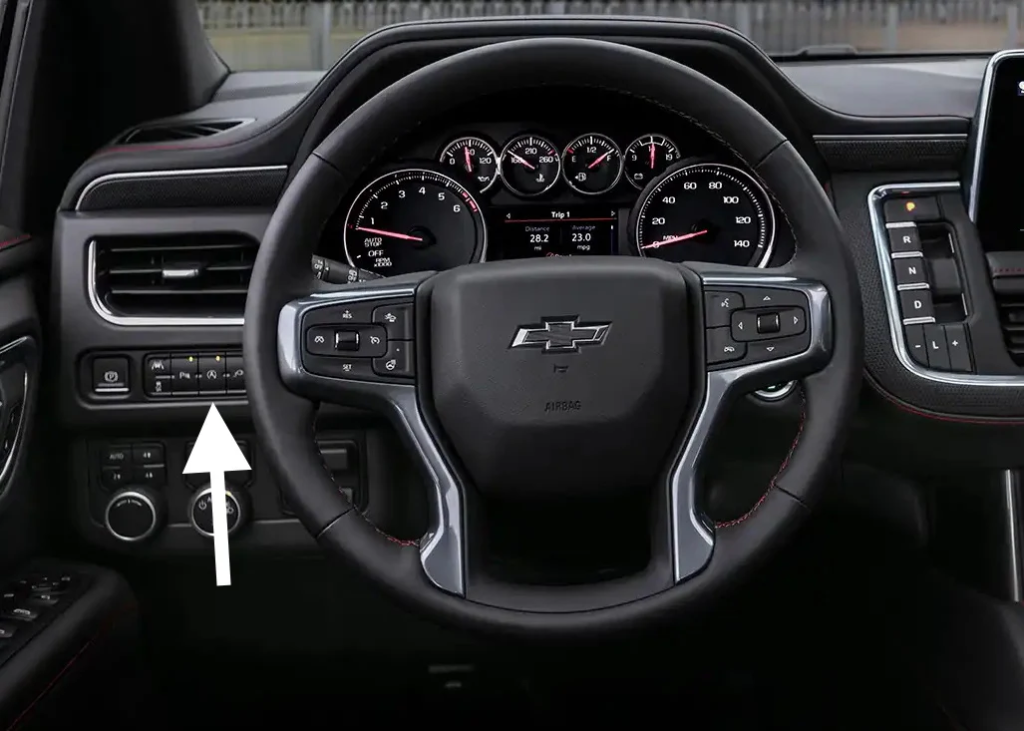
For years, many new vehicles have included automatic engine stop-start technology — the feature that shuts your engine off at a red light and restarts it when you move again. Some drivers loved the fuel savings. Others… not so much.
Now, major changes from federal regulators may signal a shift away from this technology — and drivers across Central Florida are asking what it means for their next vehicle.
👉 Read a trusted industry article here:
Auto Stop/Start Is Effectively Dead – Motor1
Why So Many Vehicles Had Auto Stop-Start
Auto stop-start systems became common because automakers received emissions credits for including them. The feature was designed to reduce idle fuel consumption and improve efficiency — especially in stop-and-go traffic — with studies showing fuel-economy improvements ranging from about 7% to 26% depending on driving conditions.
While the goal was better efficiency, driver feedback has always been mixed. In warmer climates like Lake County and The Villages, some drivers noticed changes in air-conditioning performance or felt the restart delay at traffic lights.
What Changed in 2026
In February 2026, the Environmental Protection Agency announced it would eliminate regulatory credits that rewarded automakers for installing automatic start-stop systems.
Important note:
✔️ The technology is not banned
✔️ But manufacturers may rethink including it without those incentives
Industry analysts say this could lead to fewer vehicles using the feature in the future, depending on brand strategy and evolving emissions rules.
Does Auto Stop-Start Increase Vehicle Costs?
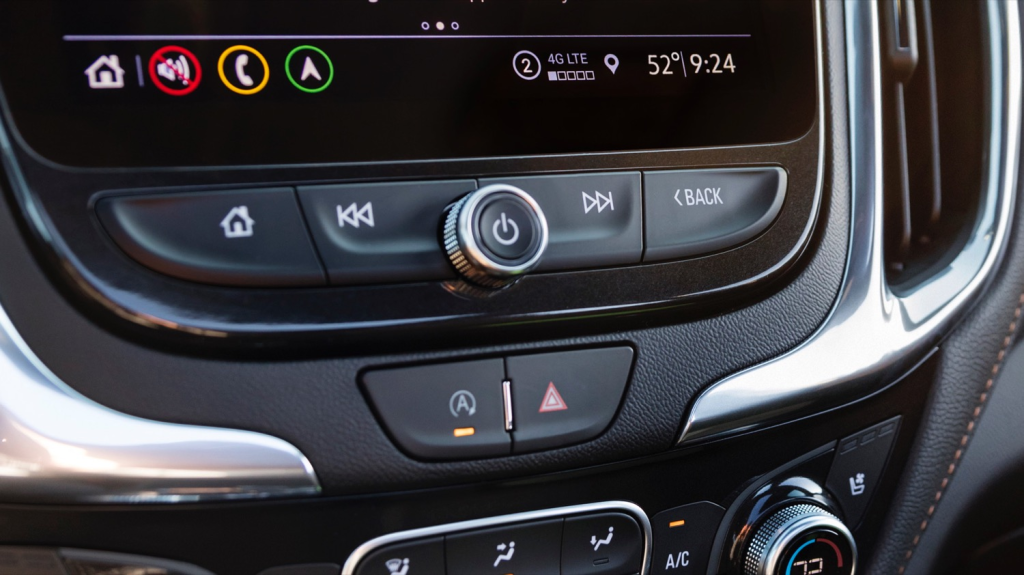
One reason drivers and service departments debate the system is complexity.
Vehicles equipped with start-stop often require:
- Heavy-duty starter motors
- Specialized AGM batteries
- Enhanced alternators and cooling components
These added parts increase manufacturing complexity and can raise maintenance costs compared to traditional systems.
Some technicians also report higher battery and starter wear due to the increased number of engine restarts — though manufacturers design components specifically to handle those cycles.
What This Means for Chevrolet Drivers in Central Florida
At Cecil Clark Chevrolet, we see firsthand how driver preferences shape vehicle trends. Many of our customers — retirees, families, and local commuters alike — simply want vehicles that feel smooth, reliable, and comfortable in everyday driving.
If automakers move away from auto stop-start, don’t expect efficiency to disappear. Instead, manufacturers are leaning toward:
- Hybrid technology
- Improved transmissions
- EV platforms like the Chevrolet Equinox EV
These solutions often deliver efficiency gains without interrupting the driving experience.
The Bottom Line
Auto stop-start technology helped automakers meet emissions goals for years, but changing regulations and evolving driver expectations may reshape how future vehicles are built.
For drivers, the biggest takeaway is simple:
Your next vehicle may feel more traditional to drive — while still delivering strong efficiency and modern technology.
📍 Cecil Clark Chevrolet
8843 US Hwy 441, Leesburg, FL
🌐 www.cecilclarkchevrolet.com
📞 352-787-6888
If you’re curious how today’s Chevrolet lineup compares — including models with or without stop-start features — our team is always happy to help you explore your options.

