





2026 Chevrolet Silverado 1500 Guide
See which Silverado 1500 trucks are available for your towing and work demands in your area
Explore Silverado trims that match your hauling needs and daily driving routine
Call Cecil Clark Chevrolet to confirm Silverado availability before your next job or towing need
| Sales | ||
| Day | Open | Closed |
| Monday | 8:00AM | 7:00PM |
| Tuesday | 8:00AM | 7:00PM |
| Wednesday | 8:00AM | 7:00PM |
| Thursday | 8:00AM | 7:00PM |
| Friday | 8:00AM | 6:00PM |
| Saturday | 8:00AM | 6:00PM |
| Sunday | Closed | Closed |
Understand Silverado 1500 Capability for Towing, Hauling, and Everyday Truck Ownership
Choosing a full size truck usually starts with one clear question: can this truck handle the work you expect from it without becoming a compromise the rest of the week. That is where the 2026 Chevrolet Silverado 1500 stands out for decision-stage shoppers. Buyers comparing Silverado against other full size trucks are often looking beyond badge recognition and broad feature lists. They want to understand how towing strength, payload support, bed utility, trim differences, and day to day drivability all come together in ownership. For many shoppers, the decision is not only about how much a truck can pull at its maximum. It is about whether the truck fits a trailer, equipment load, work schedule, and daily routine with the right balance of capability and usability.
How Silverado 1500 Capability Supports Towing and Work Demands
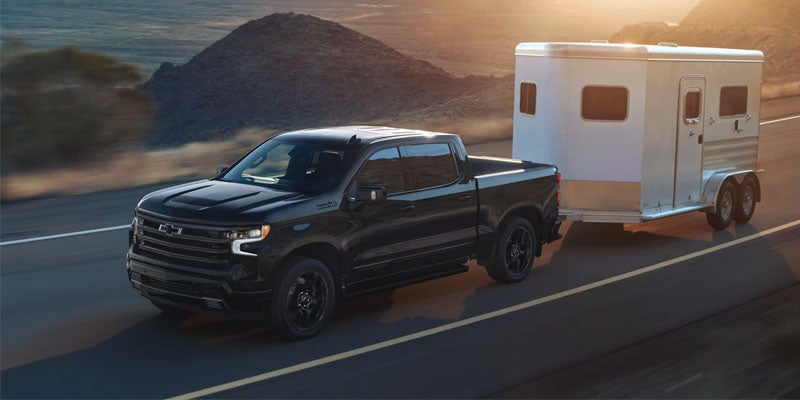
Capability matters most when it is matched to the type of work a truck actually performs. Many Silverado 1500 shoppers are towing utility trailers, boats, work equipment, or recreational gear on a regular basis. Others need a truck that can support mixed use, where weekdays involve equipment or supply runs and weekends involve family travel, home projects, or towing for leisure. In either case, towing is not a standalone number. It is part of a larger ownership equation that includes stability, confidence under load, and how often that load becomes part of normal use.
This is why truck buyers spend so much time comparing Silverado with other full size trucks. They are trying to determine whether the truck fits their needs as a light duty solution or whether their workload is heavy enough to justify moving into a different class. A Silverado 1500 is often the right fit when the buyer needs meaningful towing and hauling support without stepping into the added size and heavier operating feel of a heavy duty truck. That decision becomes especially important for drivers who need strong capability but still use the truck for commuting, errands, and frequent daily travel.
Why Towing, Payload, and Bed Use Need to Be Evaluated Together
One of the most common gaps in truck research is treating towing, payload, and cargo use like separate questions. In ownership, they work together. A truck buyer may focus first on trailer weight, but that does not answer how much equipment, tools, or materials the truck will also be carrying. Payload affects how the truck handles passengers, bed weight, and gear at the same time towing demands are increasing. Bed use also matters because the truck may be expected to carry bulky cargo during the week and still support towing when needed.
- Towing capacity matters when the buyer regularly pulls trailers, equipment, or recreational gear and needs confidence that the truck is matched to that load.
- Payload capacity matters when the truck carries tools, materials, supplies, or passengers in addition to whatever is being towed.
- Bed utility matters when cargo shape, loading frequency, and worksite use are part of everyday ownership.
Evaluating these together creates a clearer buying decision. A truck that looks sufficient on towing alone may feel less ideal once bed weight, passenger load, and repeated hauling demands are factored in. That is why capability should be judged by the buyer’s full workload, not by a single headline number.
How Silverado Trims Change Daily Use and Ownership Fit
Trim comparison is another major decision point because Silverado trims do more than change appearance or equipment lists. They shape how the truck feels in daily ownership. Some shoppers need a straightforward work-focused configuration that prioritizes durability, utility, and core function. Others want a truck that still handles towing and hauling but also adds a more refined cabin, stronger technology support, and a more comfortable experience for longer drives. The right trim depends on how often the truck is used for work, how much time is spent on the road, and whether the cabin needs to support family or passenger use in addition to job demands.
This is also where full size truck shoppers start to separate short-term want from long-term fit. A trim that feels appealing on first impression may not be the best match if the buyer’s actual ownership pattern centers on cargo, equipment, towing frequency, or repeated travel between job locations. On the other hand, a truck used every day may justify more comfort and convenience if the cabin and technology are part of the ownership experience every time the vehicle is driven.
What Full Size Truck Shoppers Should Compare Against Other Trucks
Silverado buyers often compare this truck against other full size models because the segment is filled with trucks that appear close on paper. The more useful comparison is not only which one has a strong specification sheet. It is which one fits the buyer’s workload, driving routine, and ownership priorities more naturally. That means evaluating how the truck supports towing confidence, how bed and cab configurations match actual use, and how comfortable the truck feels when it is not actively working.
- Work focused buyers should compare how each truck supports trailering, payload demands, and repeated hauling without unnecessary features getting in the way of utility.
- Mixed use buyers should compare how each truck balances capability with cabin comfort, ride quality, and ease of daily driving.
- Long-term owners should compare whether the truck feels appropriately matched to their routine over time rather than simply buying the highest numbers available.
This kind of comparison helps explain why Silverado remains a central option for buyers who need a light duty truck that can work hard while still fitting into normal daily life.
How to Evaluate Silverado 1500 for Long-Term Ownership Confidence
Long-term ownership confidence is one of the strongest behavioral signals in truck shopping because full size truck buyers do not usually make these decisions casually. They expect durability, repeatable performance, and a truck that still feels like the right tool after the first months of ownership. That means evaluating how often the truck will tow, how hard it will be worked, and whether the chosen trim and configuration fit those demands without overcomplicating ownership.
It also means understanding when a Silverado 1500 is the right class of truck and when the buyer’s needs may be moving beyond light duty expectations. For many drivers, Silverado 1500 provides the right combination of towing capability, hauling support, and everyday usability. For others with consistently heavier demands, that evaluation may point toward a larger truck class. The value of this guide is that it helps buyers think through that threshold before making a decision based only on broad comparisons.
At Cecil Clark Chevrolet, the next step is using that ownership context to narrow the truck that fits best. Once towing demands, bed use, trim priorities, and daily driving needs are clearer, the Silverado decision becomes more practical and more confident.
(Note: This article focuses on providing valuable information and does not mention specific pricing, for more information about financing and car buying, please reach out to our dealership.)